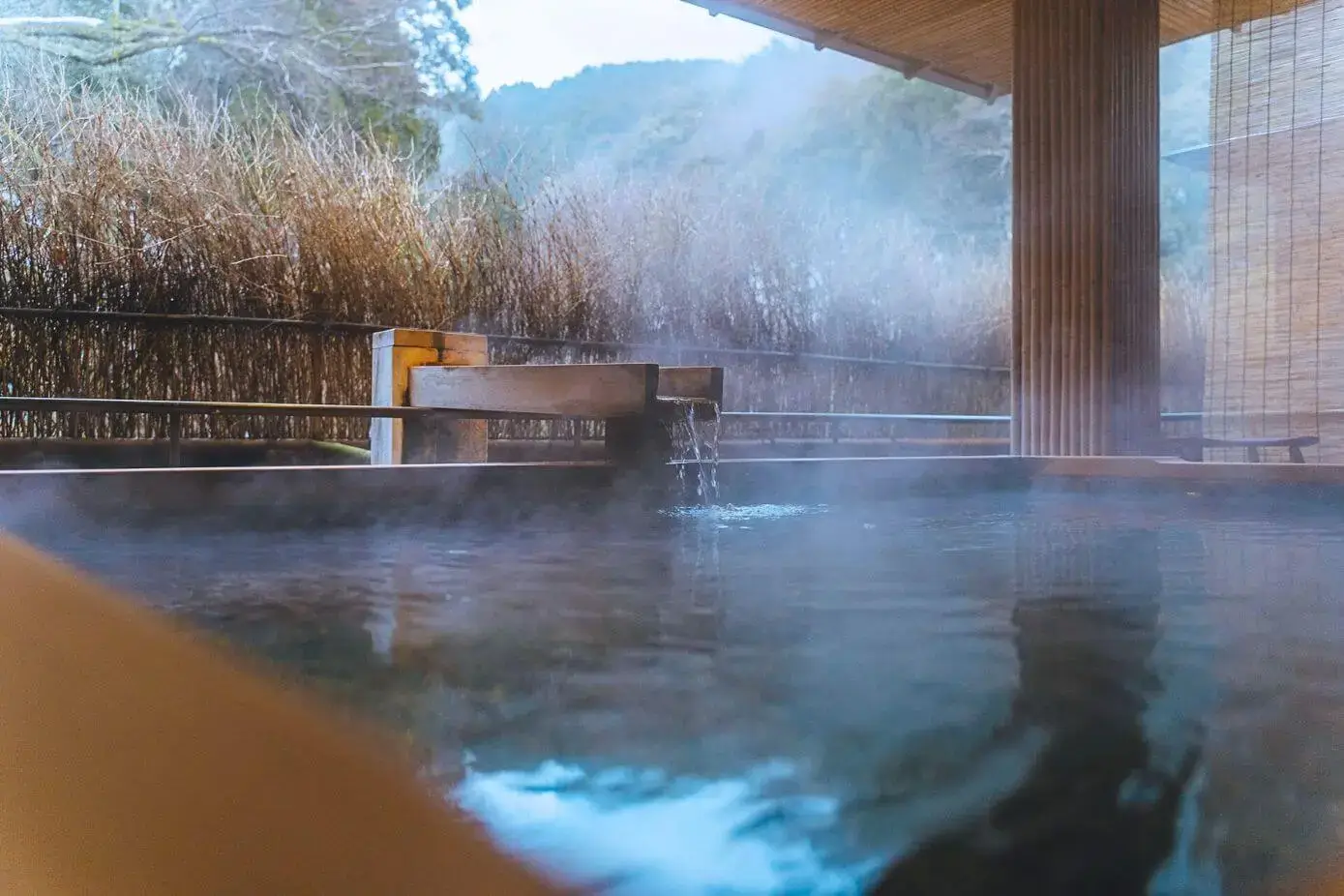
Best Onsens Near Tokyo
Discover the top hot springs near Tokyo.
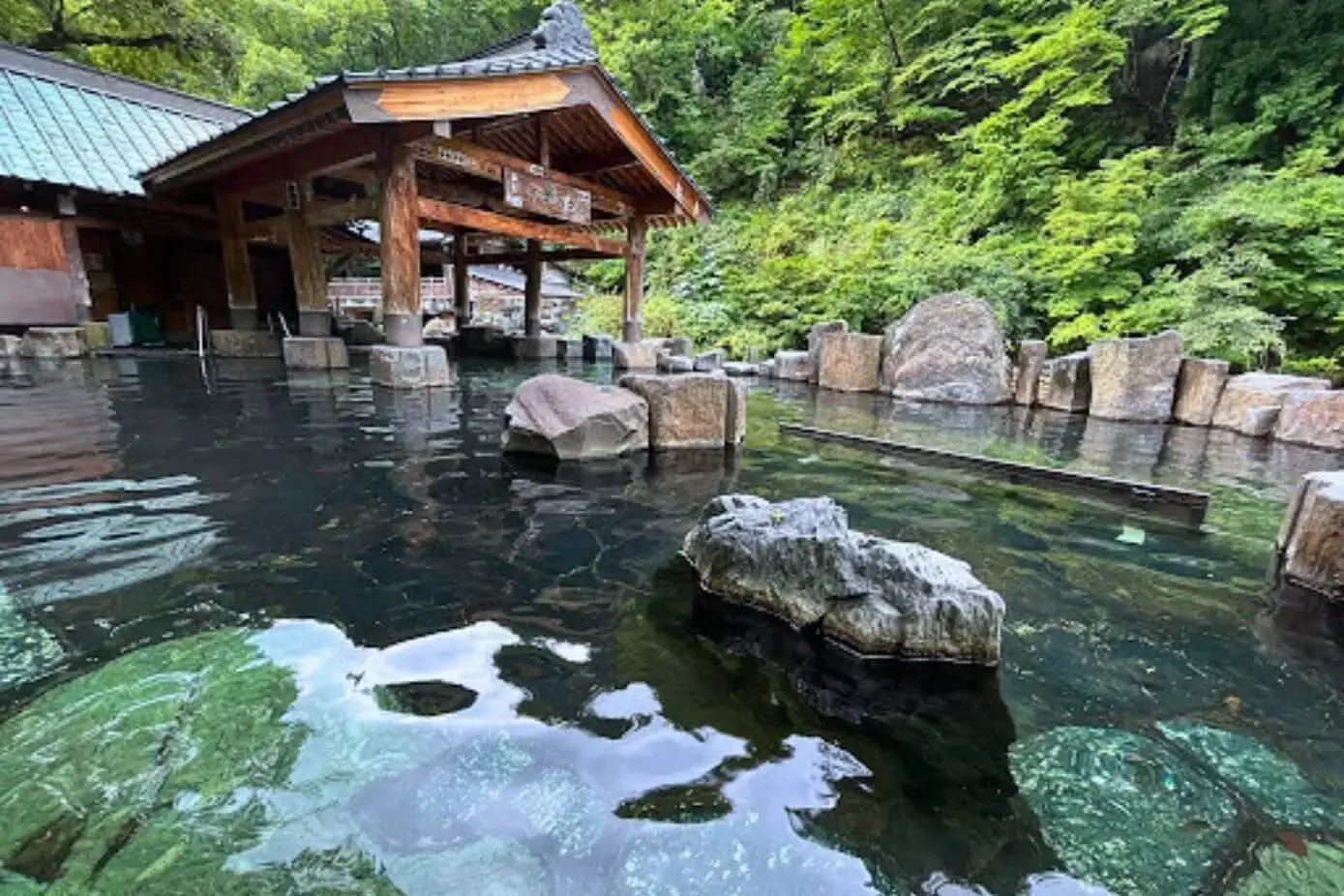
Discover the best onsens near Tokyo — some of Japan’s most relaxing hot springs are just a short trip away. Whether you’re planning a quick day trip or a weekend getaway, there are plenty of amazing onsen spots near Tokyo where you can soak in mineral-rich waters and enjoy beautiful scenery.
From iconic spots like Hakone and Kusatsu to hidden gems just a train ride away, this guide will help you find the ideal hot spring getaway close to the capital.
Best Onsen Destinations Near Tokyo
Hakone — The Classic Day Trip (90 min from Tokyo)
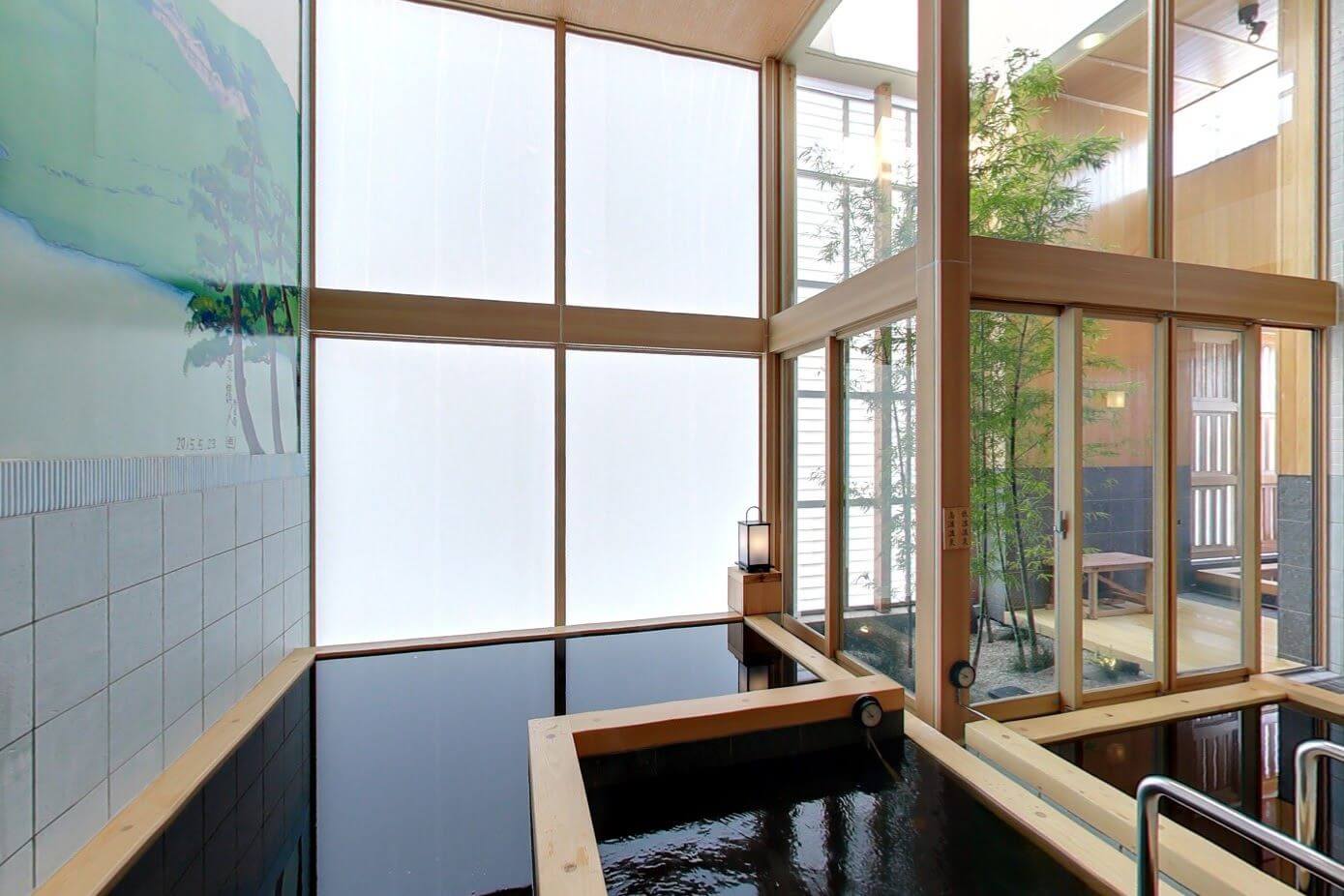
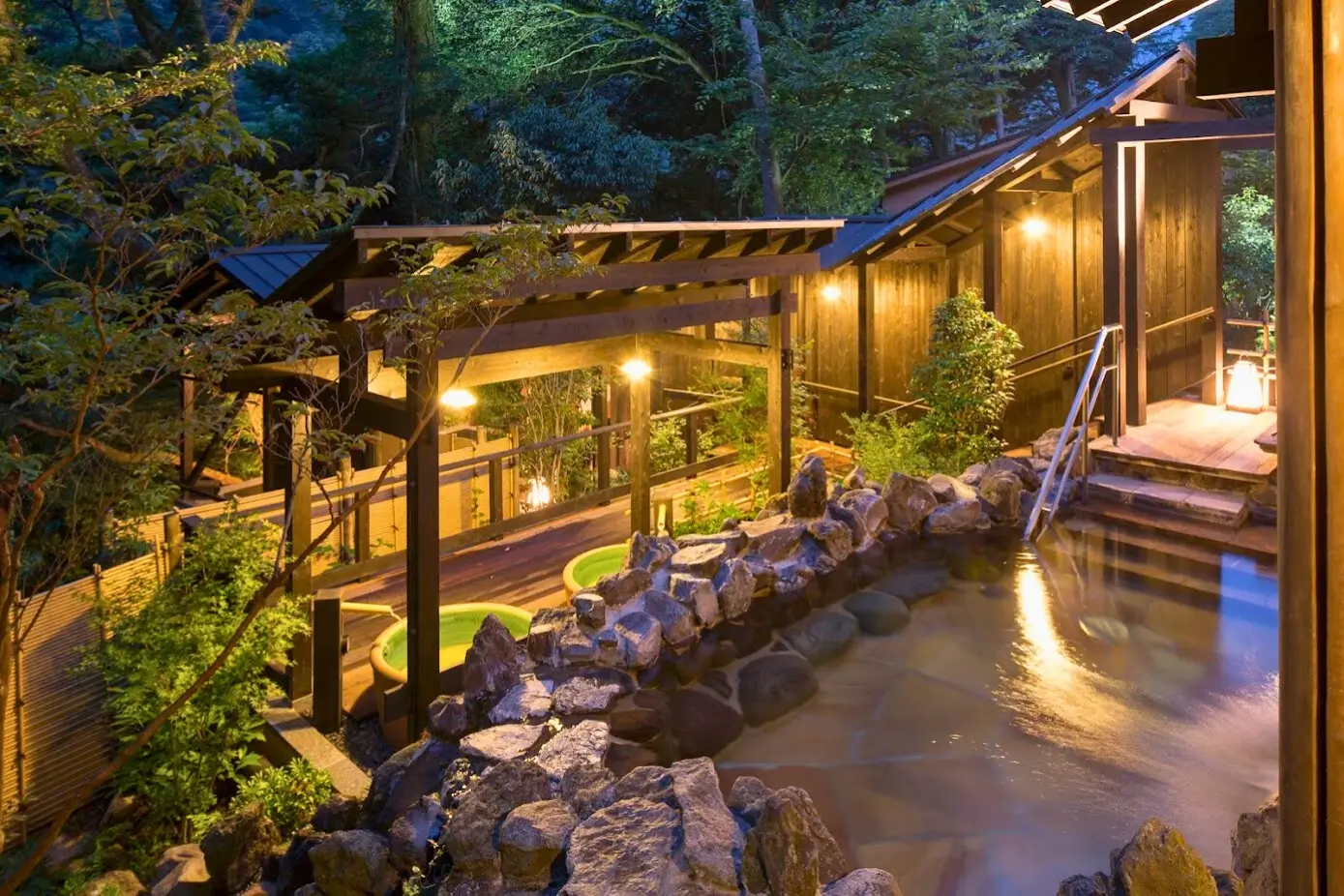
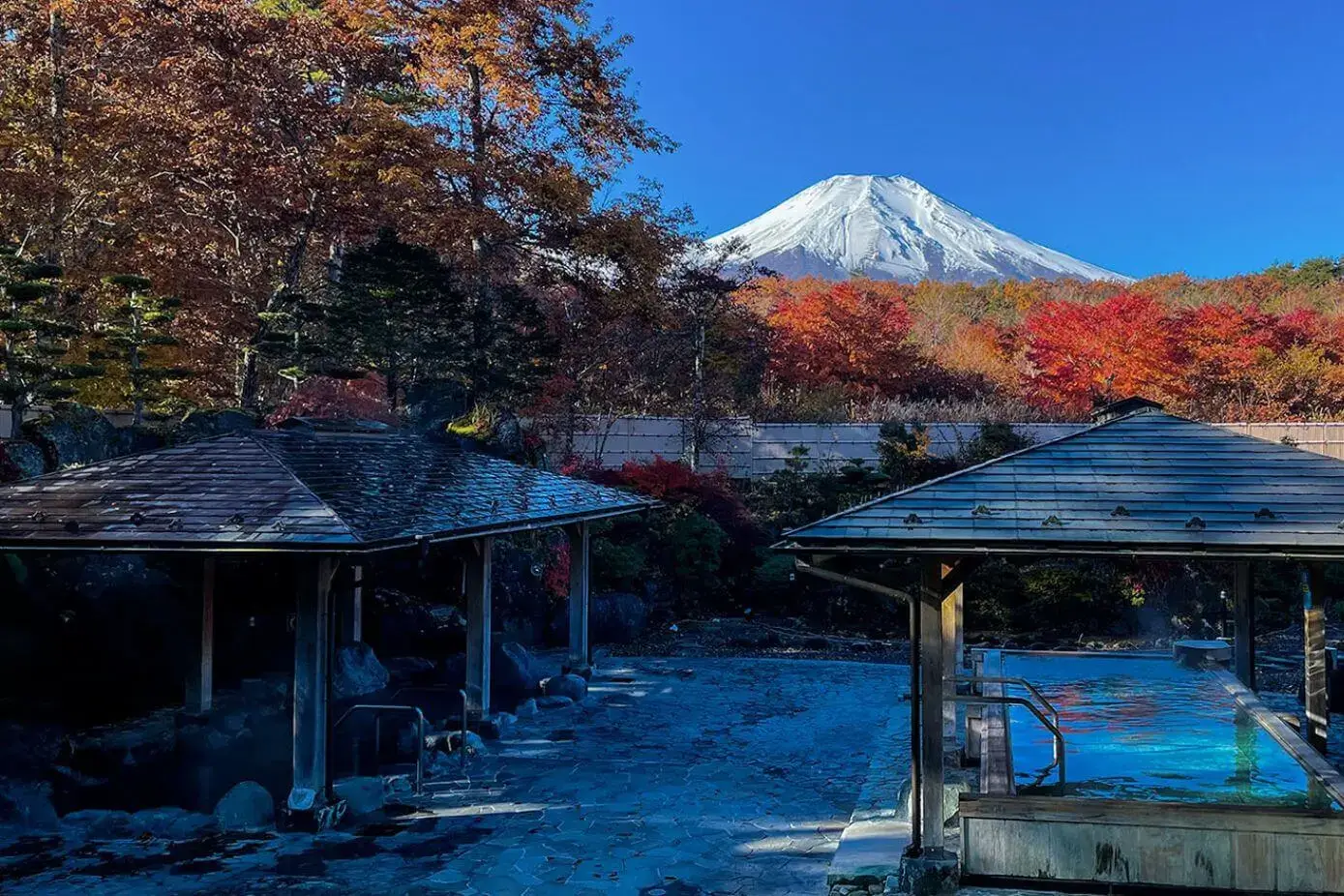
Hakone is the most popular onsen destination for Tokyo visitors, and for good reason. Nestled in the Fuji-Hakone-Izu National Park, Hakone offers spectacular views of Mount Fuji, an open-air museum, and dozens of world-class ryokans and day-use onsen facilities.
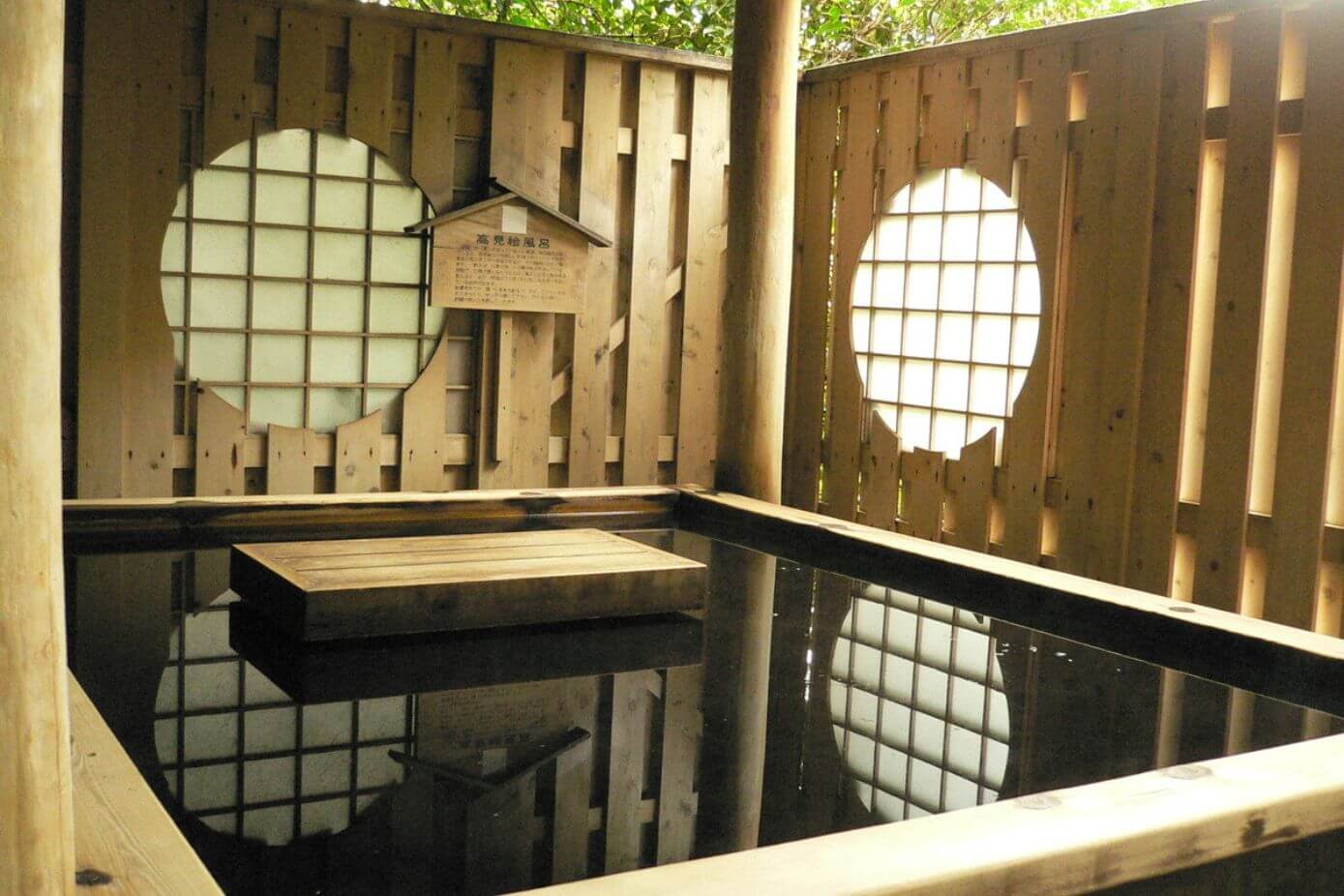
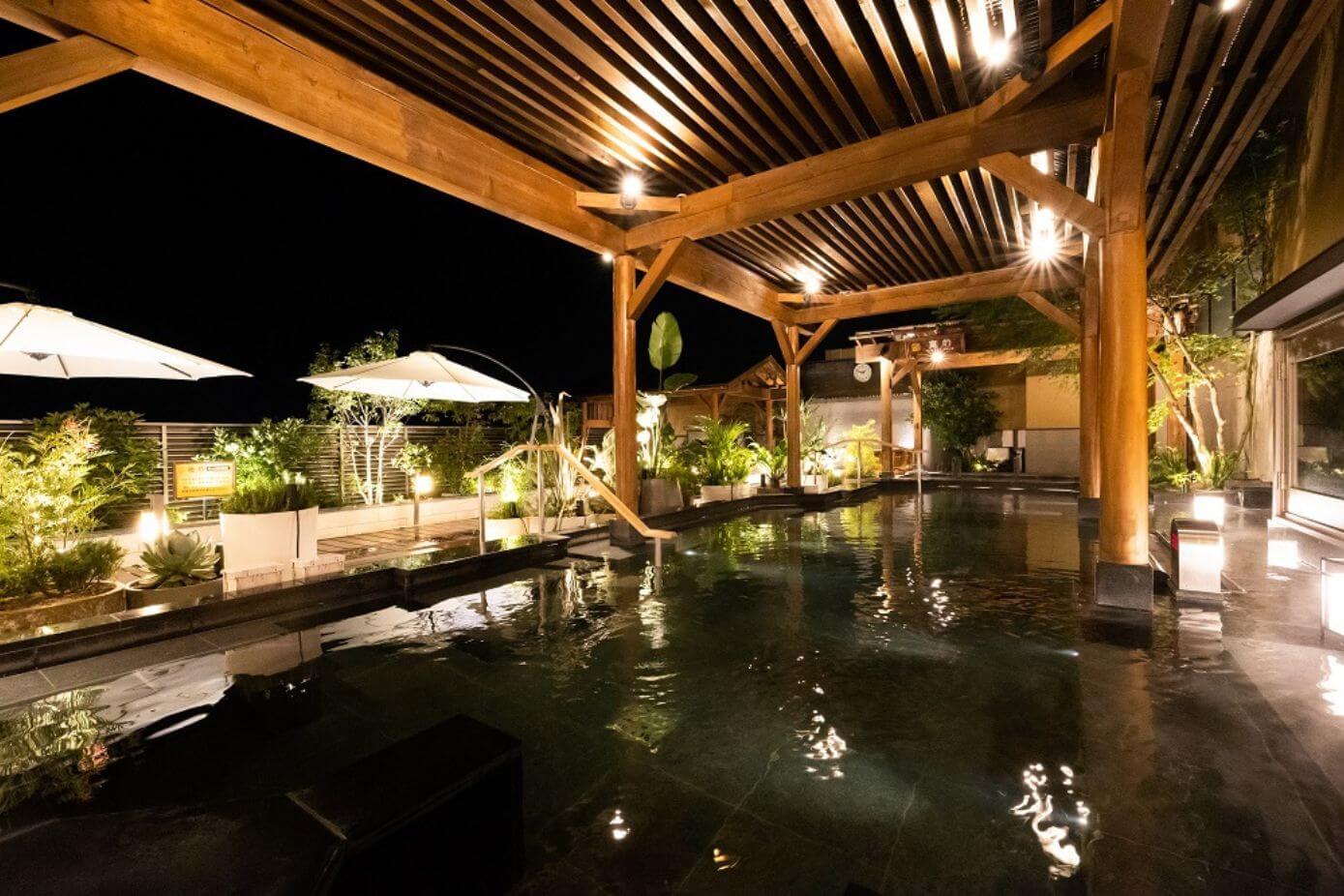
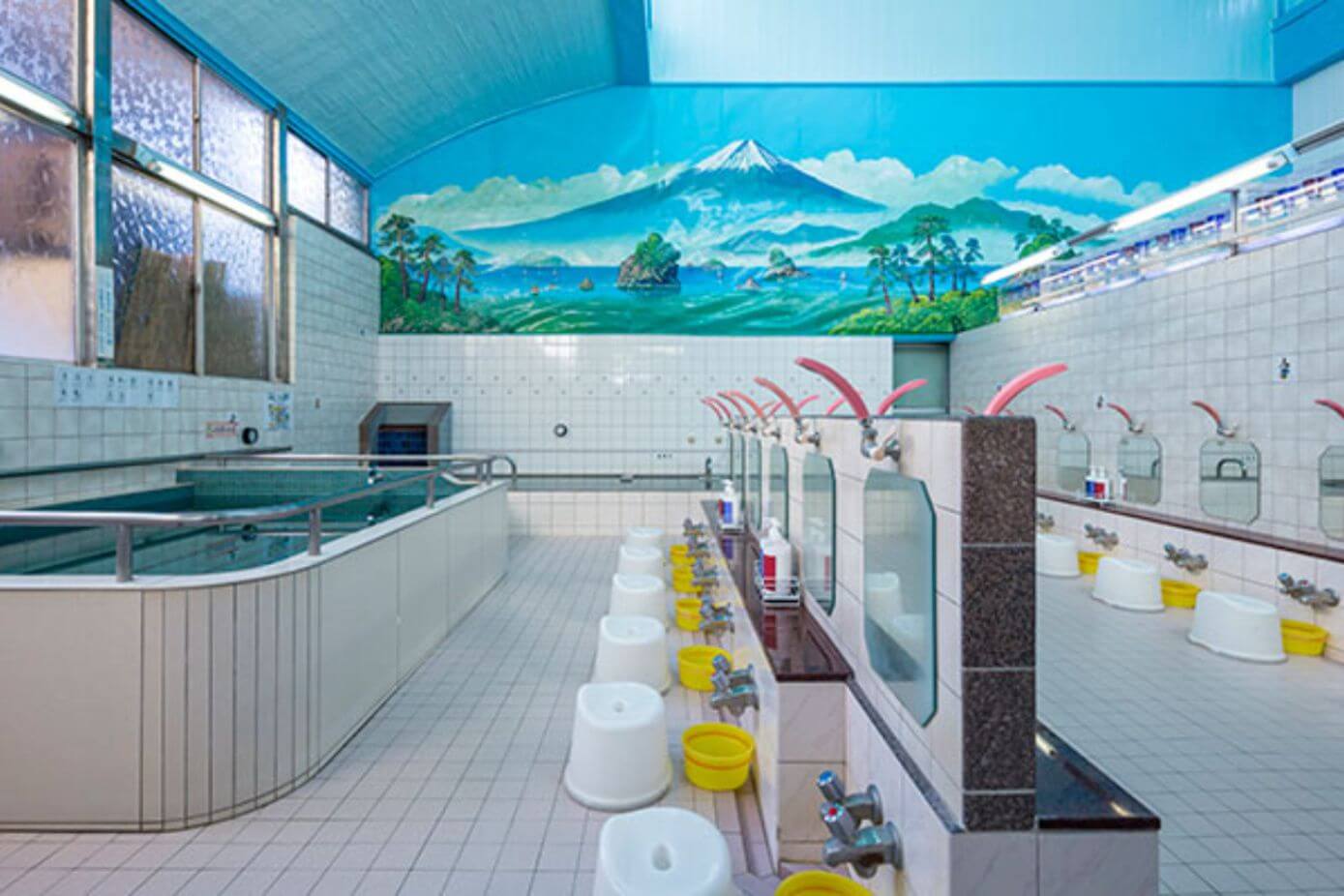
The area’s waters are primarily sulfuric and mildly acidic, known for softening skin and soothing tired muscles. Day-use baths range from budget-friendly sento-style facilities to luxury ryokan experiences with private rotenburo (outdoor baths) overlooking the mountains and Lake Ashi.
Getting there: Take the Romancecar from Shinjuku to Hakone-Yumoto (approx. 85 min, ¥2,400). The Hakone Free Pass covers most local transport including the mountain railway, ropeway, and lake cruise.
Best for: First-timers, couples, families, photography enthusiasts.
Kusatsu Onsen — Japan’s Most Famous Hot Spring Town (4 hours from Tokyo)
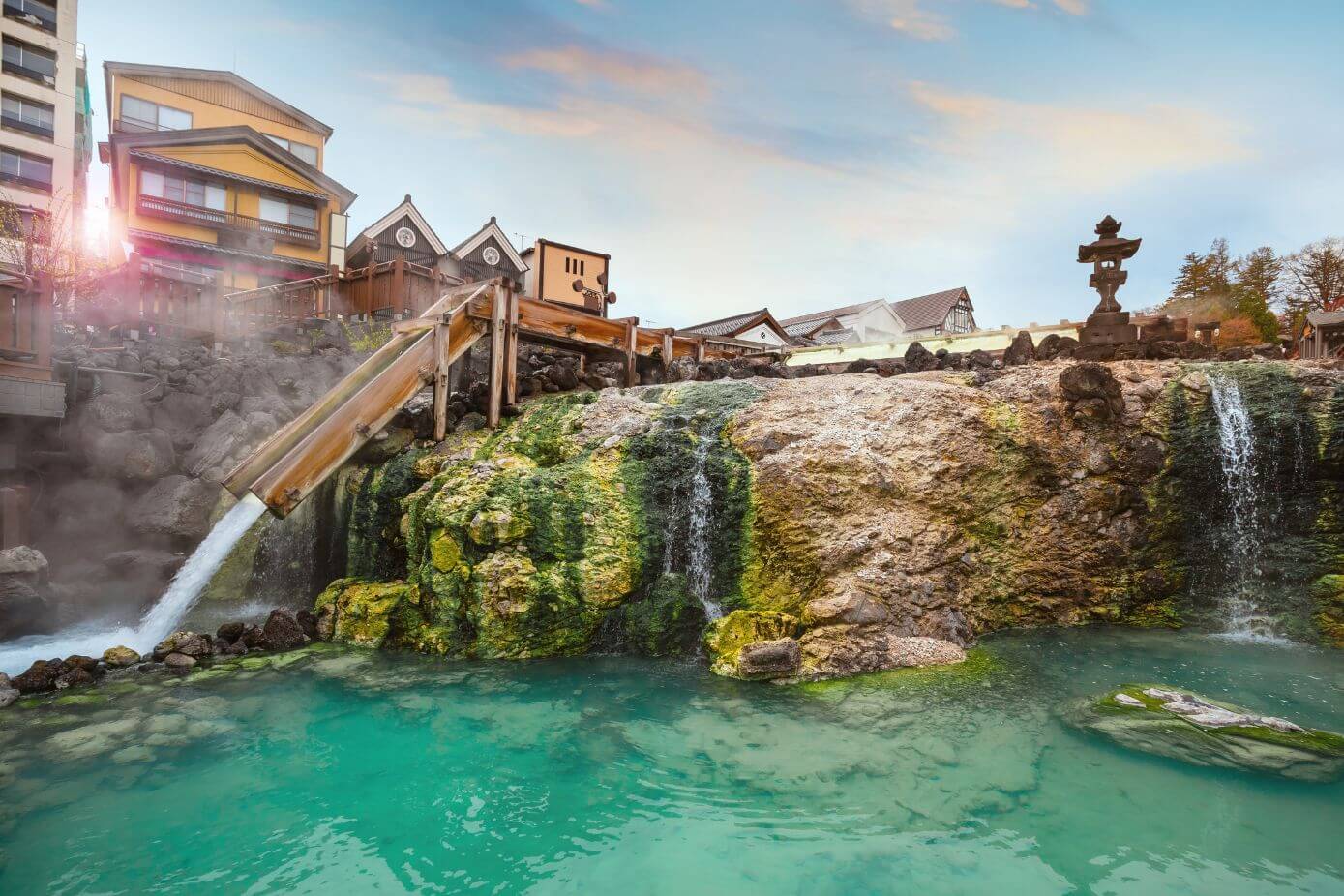
Kusatsu consistently ranks as one of Japan’s top three onsen destinations. Famous for its highly acidic, sulfuric waters and the iconic Yubatake (hot spring field) at the town’s center, Kusatsu is a genuine onsen town experience unlike anything in Hakone.
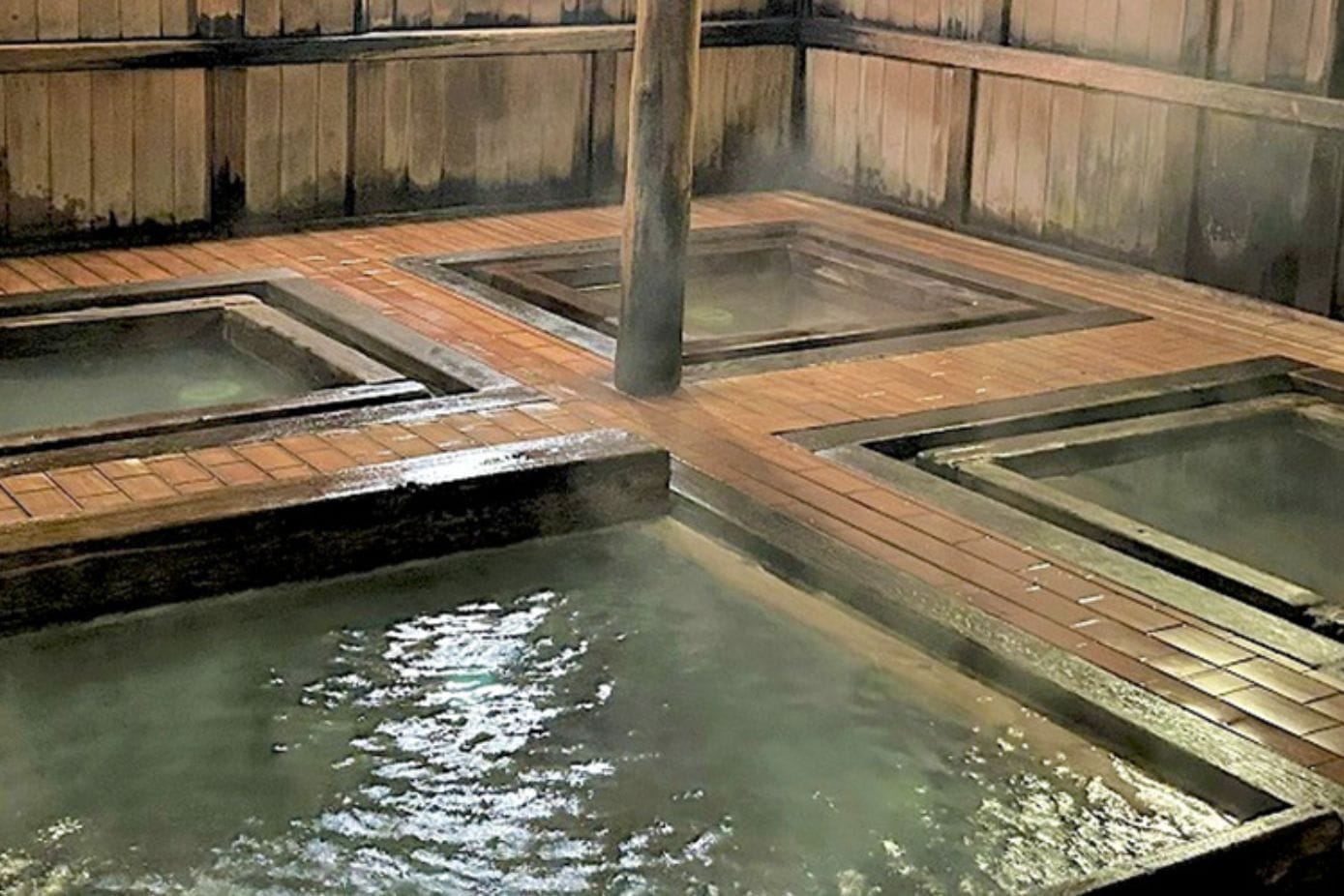
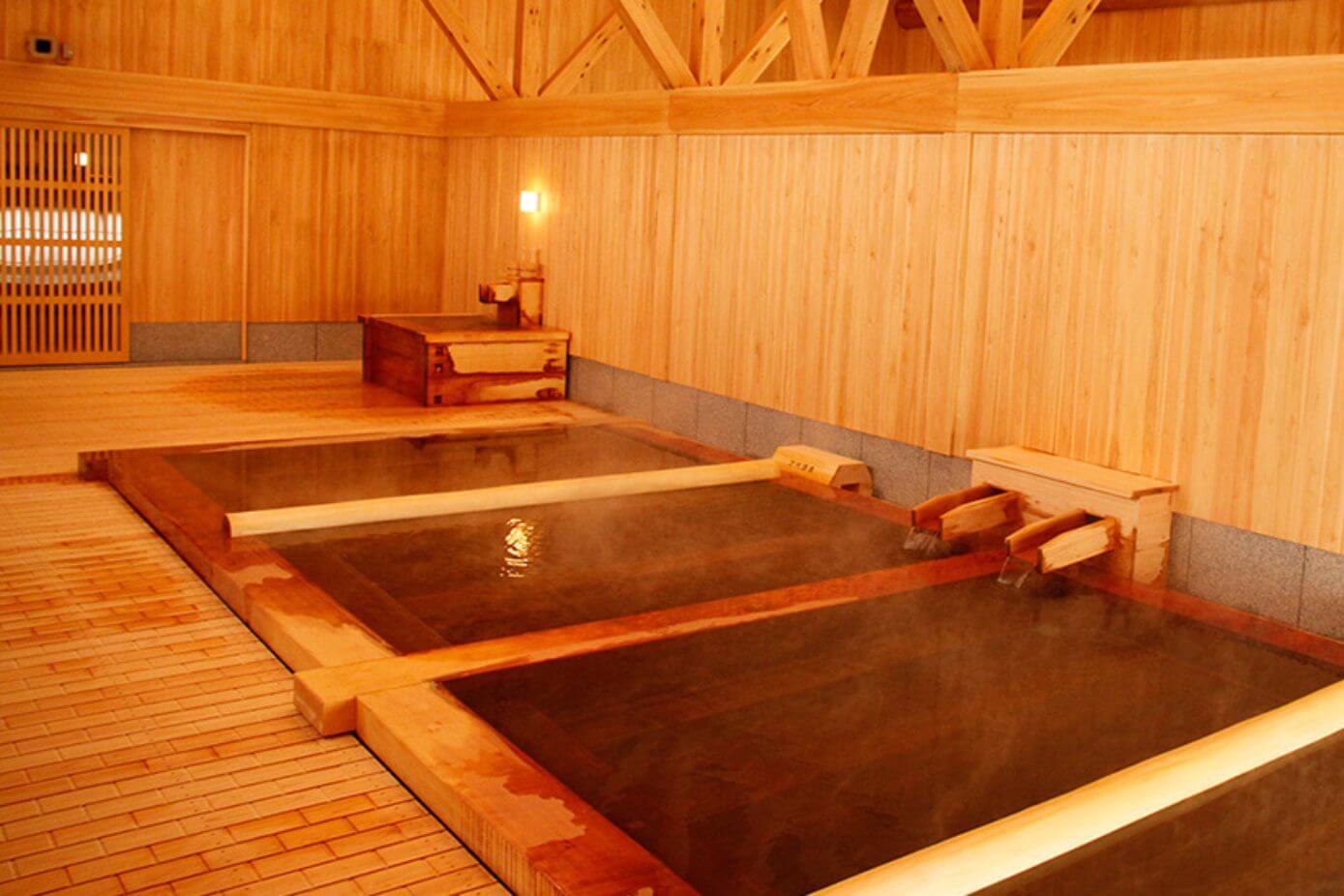
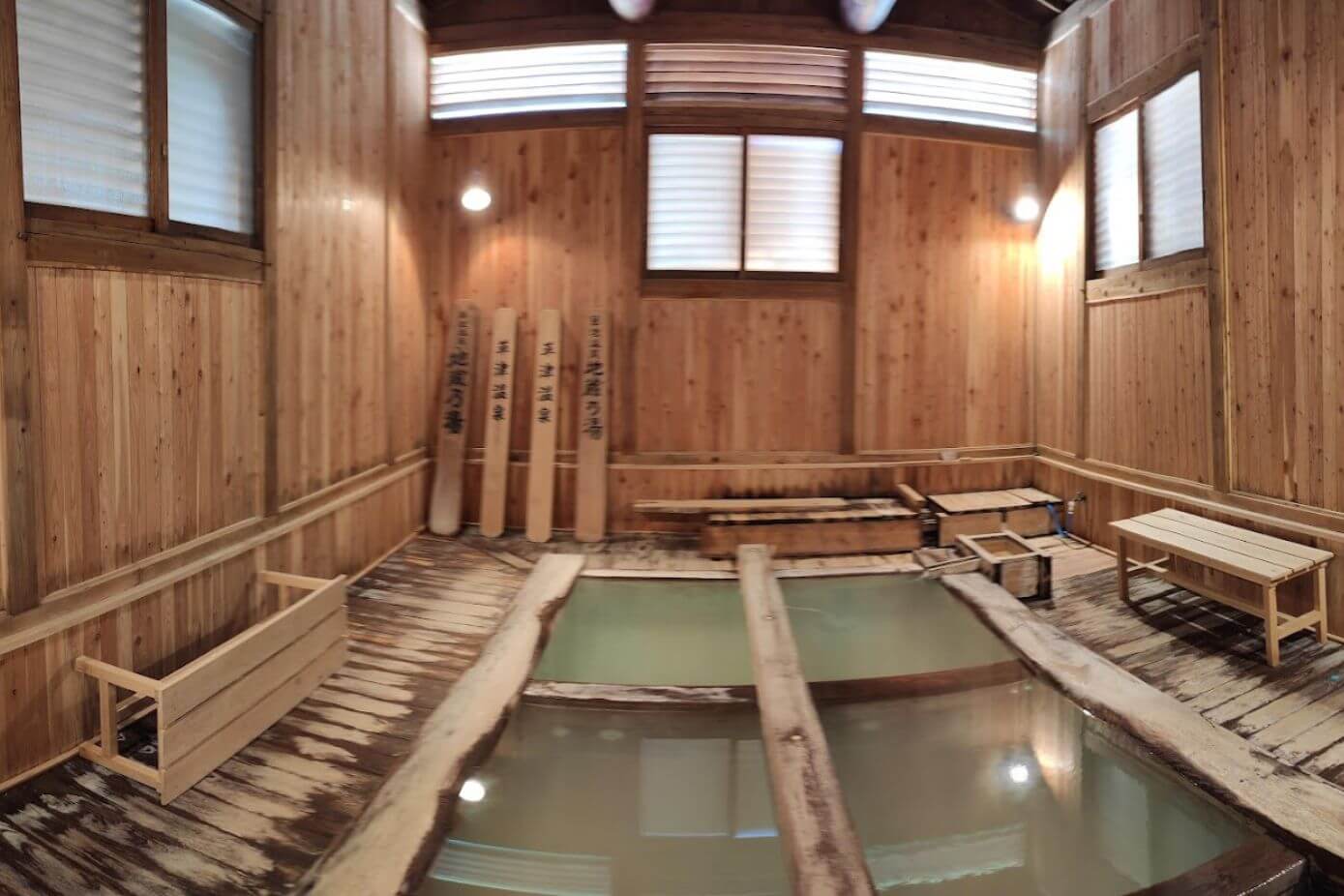
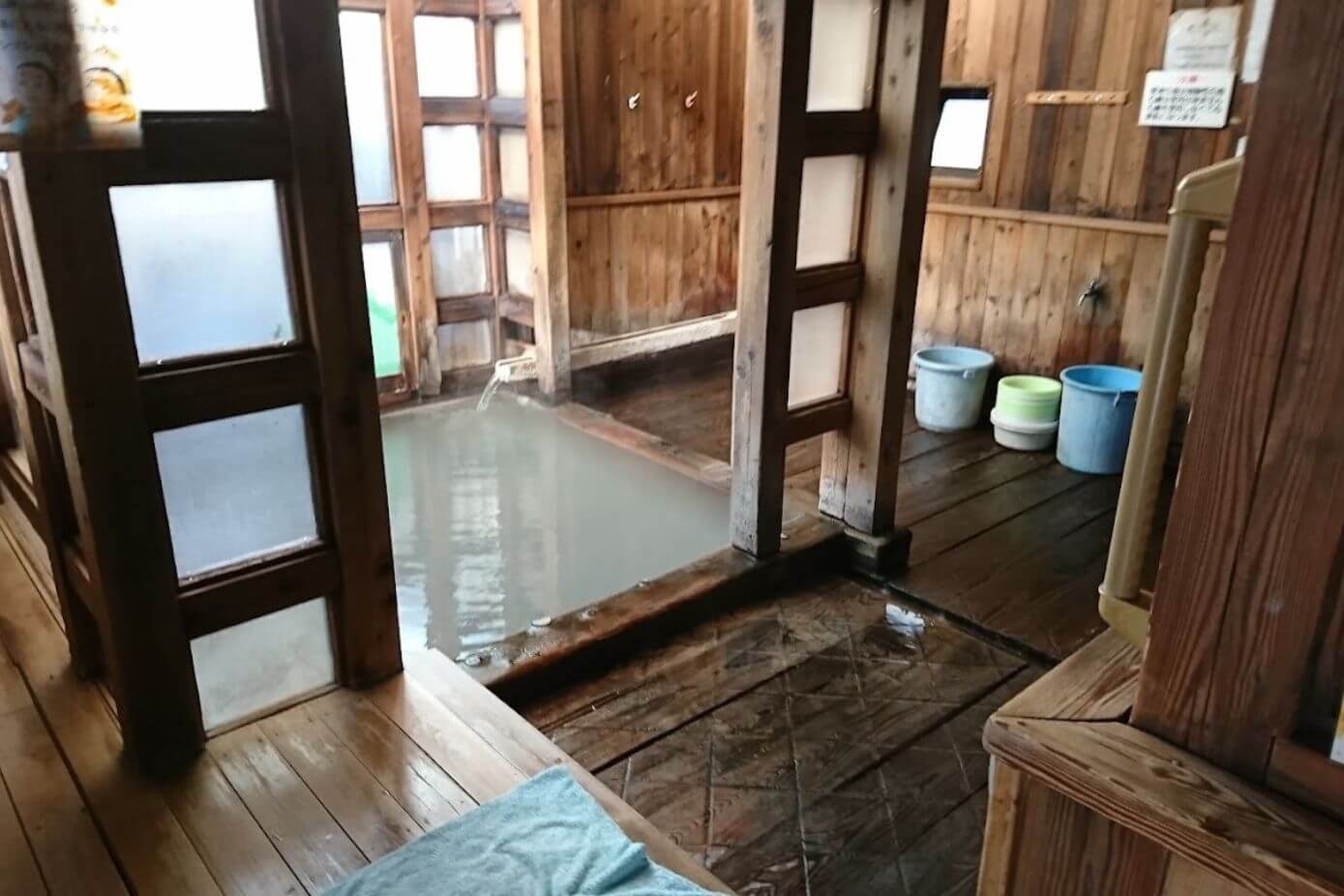
The town features seven free public baths (Jizō-no-yu, Otakinoyu, and others) that anyone can use, plus dozens of ryokan with private facilities. The famous Yumomi ceremony — where wooden paddles cool the water to bathing temperature — is performed daily and worth watching.
Getting there: Take the Shinkansen to Takasaki, then the Agatsuma Line to Kusatsu Onsen (total approx. 3h 40min, ¥5,500–¥7,000). Direct limited express buses from Shinjuku operate seasonally.
Best for: Onsen enthusiasts, overnight stays, authentic hot spring culture.
Nikko Yumoto Onsen — Mountain Springs in a National Park (2.5 hours from Tokyo)
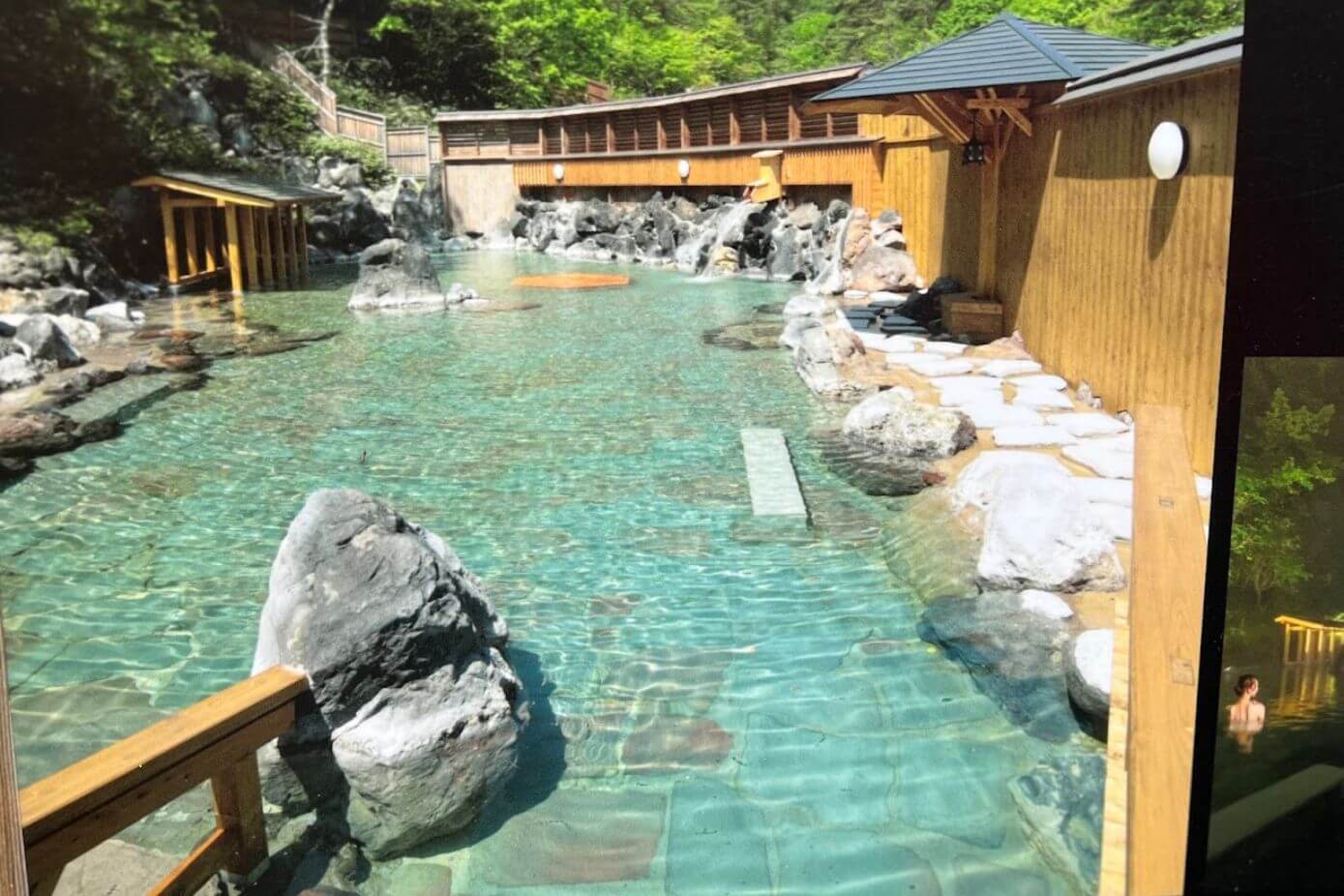
Hidden in the mountains of Nikko National Park, Yumoto is a small, peaceful onsen village that feels a world away from Tokyo. The milky-white, sulfuric waters here flow from Yugashima lake and have been prized for their therapeutic properties since the Edo period.
With just a handful of ryokan and no crowds, Yumoto offers an intimacy that larger resort towns can’t match. It’s an ideal overnight getaway, especially combined with the UNESCO World Heritage temples at Nikko proper.
Getting there: Take the Tobu Nikko Limited Express from Asakusa to Nikko (approx. 2h), then a local bus to Yumoto Onsen (50 min).
Best for: Nature lovers, travelers seeking quiet escapes, cultural history enthusiasts.
Atami — Coastal Onsen on the Izu Peninsula (50 min from Tokyo)
For the closest full onsen town experience, Atami on the Izu Peninsula is only 50 minutes from Tokyo Station by Shinkansen. A classic resort town popular with Japanese holidaymakers since the postwar era, Atami combines ocean views with multiple public baths and ryokan.
The waters are sodium chloride-rich and good for circulation. Atami also has excellent seafood restaurants and the MOA Museum of Art, making it a well-rounded day trip or overnight destination.
Getting there: Hikari Shinkansen from Tokyo Station to Atami (approx. 48 min, ¥3,700).
Best for: Quick escapes, first-time visitors to Japan, beach + onsen combinations.
Day Trip or Overnight Stay?
Most onsen near Tokyo work as day trips, but overnight stays unlock a different experience entirely. Here’s how to decide:
- Day trip (Atami, Hakone-Yumoto): Ideal if time is limited. Book a day-use onsen (日帰り温泉) in advance, especially on weekends when facilities fill up quickly.
- Overnight stay (Kusatsu, Nikko Yumoto, Hakone ryokan): Required to experience private in-room baths and kaiseki dinners. Book 2–3 months ahead for popular ryokan.
- Best season: Autumn foliage (October–November) and winter (December–February) are the most atmospheric times to visit — cold air makes an outdoor rotenburo feel magical.
Search All Onsens Near Tokyo
11 onsens found